Adult Literacy Program
India Humanity Foundation addresses adult illiteracy—a critical barrier
impacting over 250 million Indians—through targeted literacy programs for marginalized communities in
urban slums and rural areas. Delivered through flexible, vernacular-based sessions, the program enables
adults to achieve functional literacy within 3–6 months, including modules on digital literacy and basic
financial literacy. As mothers begin to understand the value of education, children’s school retention
improves, while participants gain the confidence to read signboards, fill out forms, and access
essential services—helping break intergenerational cycles of illiteracy that lead to poverty.
1. Vidya Model (Centre-based model):
A community teacher (Akshar Sathi) conducts 60 sessions with a group of 40 adult learners.
A centre-based model where a dedicated community-based teacher, known as Akshar Saathi, identifies a group of non-literate adults in the community. The Akshar Saathi conducts 60 sessions at a designated community space with a minimum of 30 adult non-literates in attendance. The sessions are designed to be engaging and interactive, using user-friendly toolkits comprising books developed by IHF.
Vidya Implementation Plan:
India Humanity Foundation (IHF) collaborates with grassroots-level NGOs and local bodies to implement the Vidya program. The key components include:
-
Partner Identification and Orientation: IHF identifies local partners and provides orientation on the program, including the role of Akshar Sathi.
-
Adult Learner Identification and Registration: Akshar Sathi identifies adult learners, collects their details, and registers them on the IHF portal.
-
Monitoring and Assessment: IHF's program team regularly monitors progress, conducts assessments after 30 and 60 classes, and evaluates adult learners' skills in reading, writing, and simple mathematics.
-
Certification: Upon completing the program, adult learners receive a certificate recognizing their achievement, equivalent to Grade III.
2. Diksha Model (Each One Teach One):
Student volunteers from schools teach one adult from their community, using IHF’s structured learning kits.
A student-led model where school students from Class VI onwards volunteer to teach adult learners. Each student identifies one non-literate adult from the community and teaches the identified individual for a minimum of 45-60 minutes a day for 60 sessions. The students use a structured curriculum tailored to the needs of adult learners, along with user-friendly books developed by IHF.
Diksha Implementation Plan:
India Humanity Foundation (IHF) collaborates with grassroots-level NGOs, local bodies, and schools to implement the Diksha program. The key components include:
-
School and Volunteer Identification: IHF identifies willing schools and community volunteers who can participate in the program.
-
Volunteer Orientation: Students or community volunteers receive motivation and orientation on their roles and responsibilities in teaching adult learners.
-
Progress Monitoring: Volunteers conduct assessments after 30 and 60 classes, submitting progress reports to IHF.
-
Examination and Certification: IHF conducts an examination equivalent to Grade III after 60 classes. Upon completion, adult learners receive a certificate of completion, and volunteer teachers are recognized for their efforts.
-
Incentives for Student Volunteers: Schools are encouraged to provide grace marks to student volunteers who successfully teach adult learners, promoting a sense of social responsibility.
-
IHF appreciates the efforts of the student volunteers by presenting medals.
IHF along with Schools, Universities, Rotary and Lions Clubs, and NGOs, is collectively implementing the program incorporating the respective methods.
IHF invites all Indians, especially students of class VI and above to participate in this program. Together let us make India totally literate by ensuring that every adult in India is literate.
Who is an adult nonliterate?
-
A person who is 15 years or above and is unable to perform one or more below mentioned criteria, could be considered an adult non-literate.
-
A person who cannot read aloud at a speed of 30 words per minute
-
A person who cannot read aloud and understand road signs, posters and newspapers.
-
A person who cannot Understand and copy 7 words per minute.
-
A person who cannot take dictation at the speed of 7 words per minute.
-
A person who cannot read and write numbers from 1 to 100.
-
A person who cannot perform simple calculations - addition, subtraction, multiplication and division.
Impact
IHF under its Adult Literacy program has successfully enrolled more than 4,00,000 adult learners, and the program is now being implemented in 22 Indian states: Andhra Pradesh, Bihar, Jharkhand, Karnataka, Maharashtra, Orissa, Rajasthan, Uttar Pradesh, West Bengal and more.
22
States
4,00,000+
Adult Learners
5,000+
Adult Literacy Centers
1,20,000+
Student Volunteers
200+
Partner NGOs
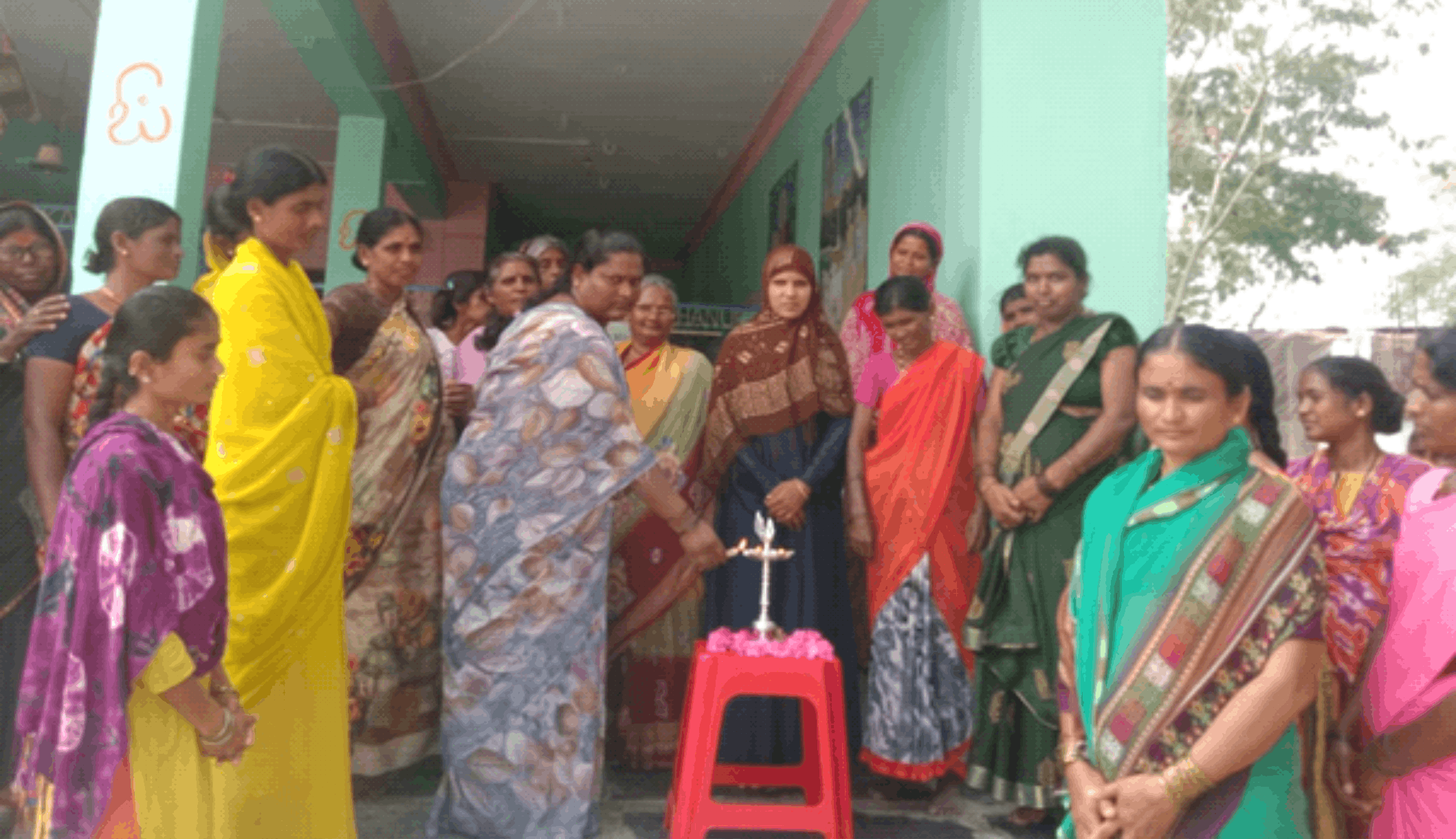
Aminagada, Karnataka
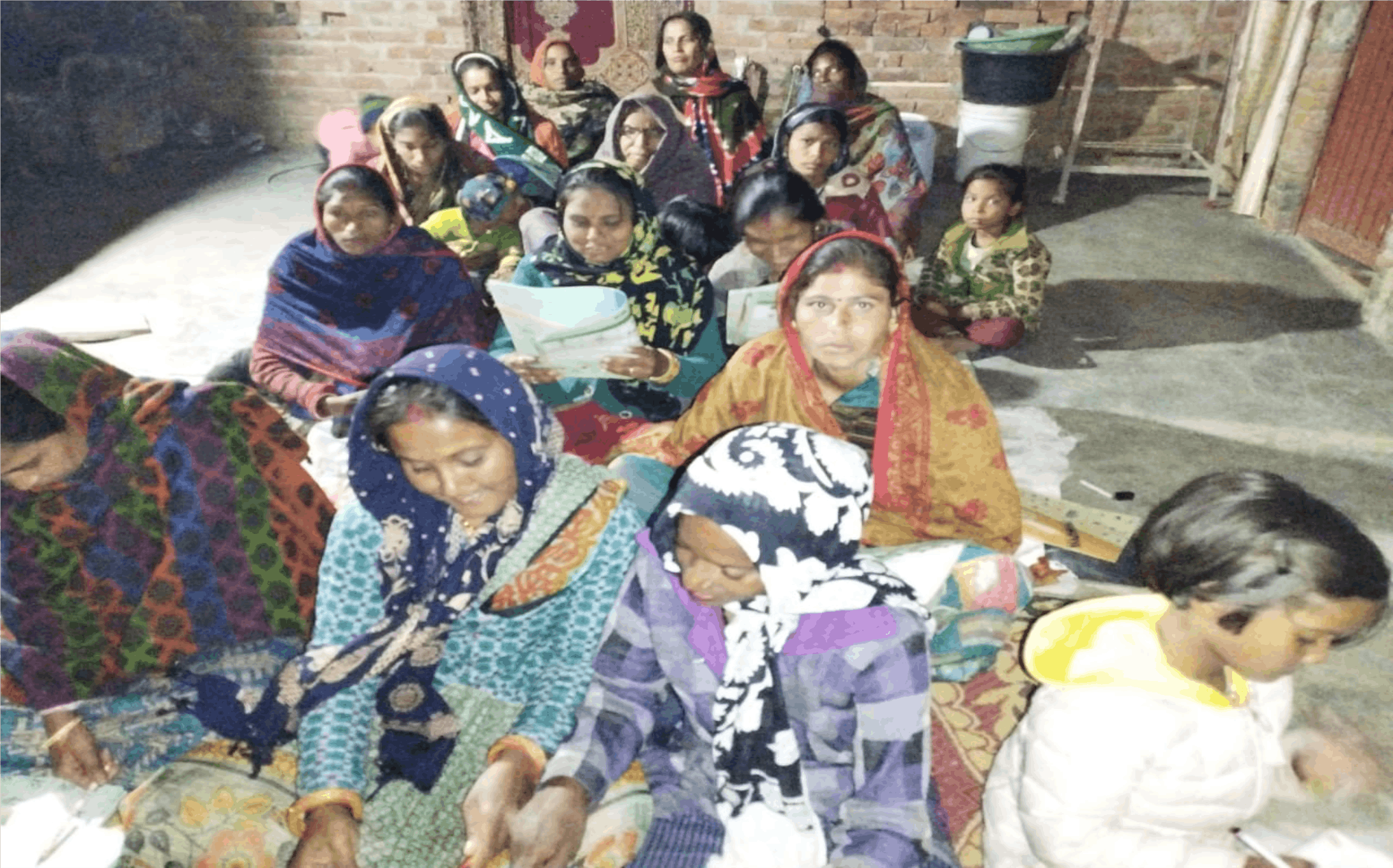
Bhagawanpura, Rajasthan
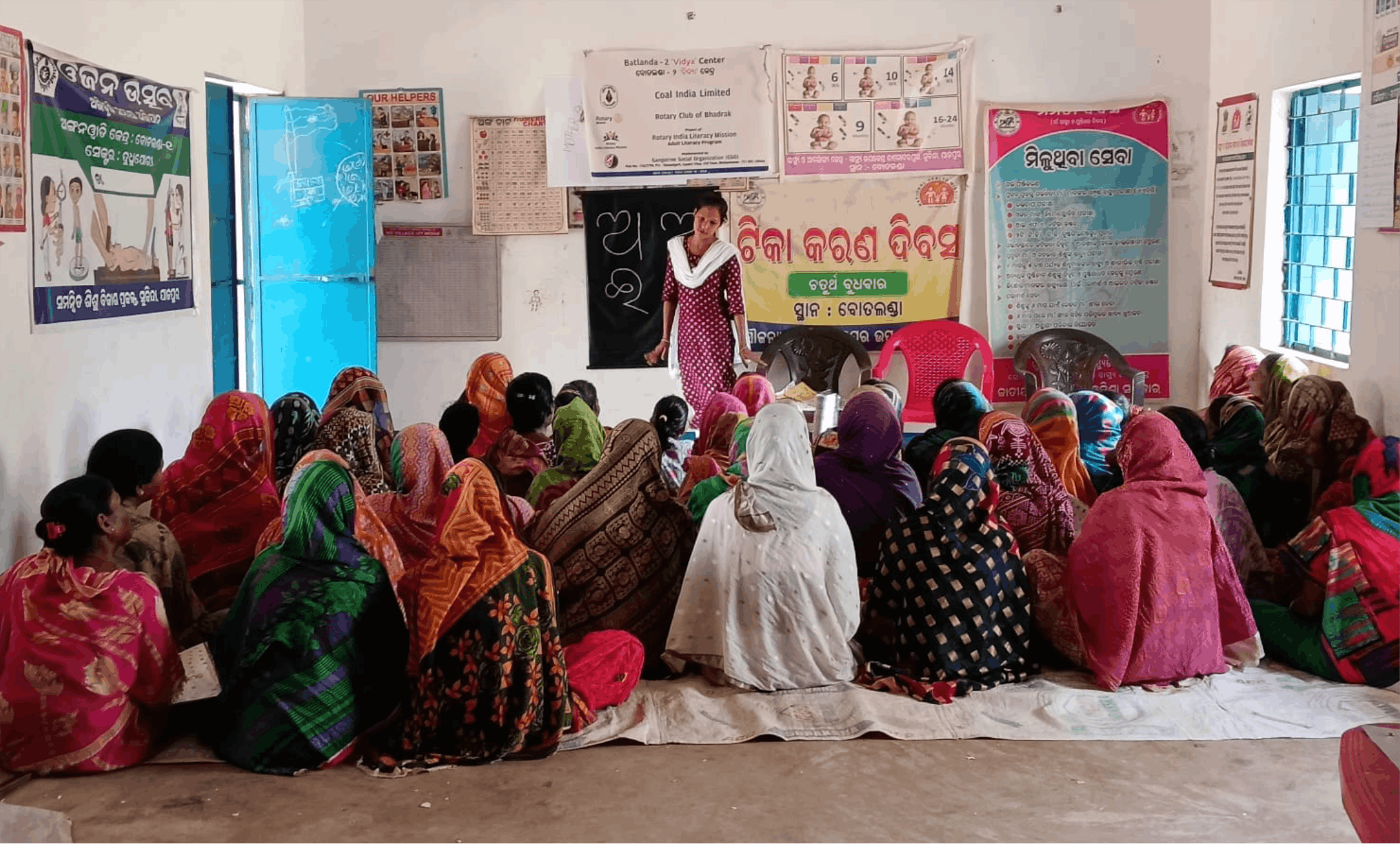
Bhubaneswar, Odisha
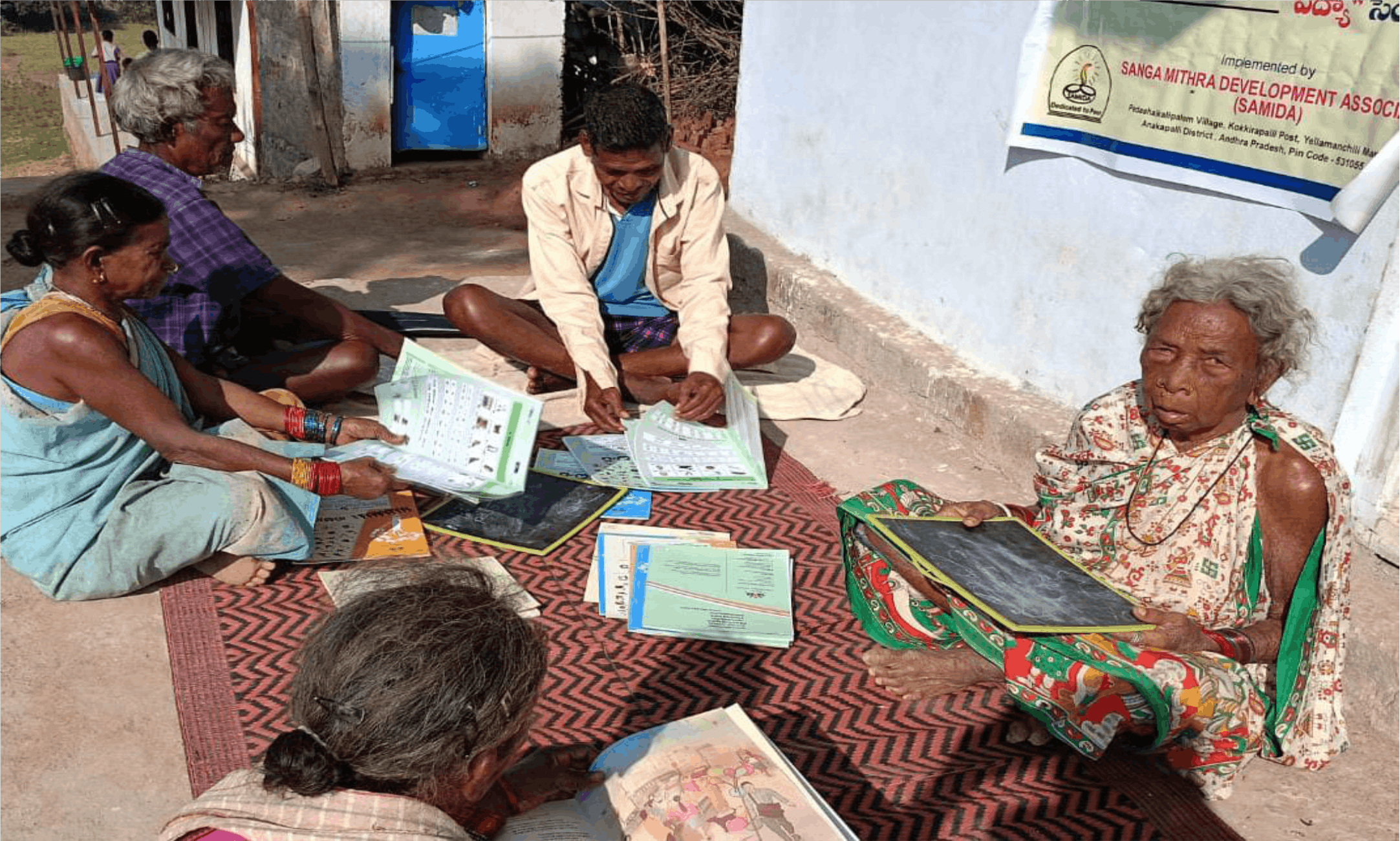
Chompai Andhra Pradesh
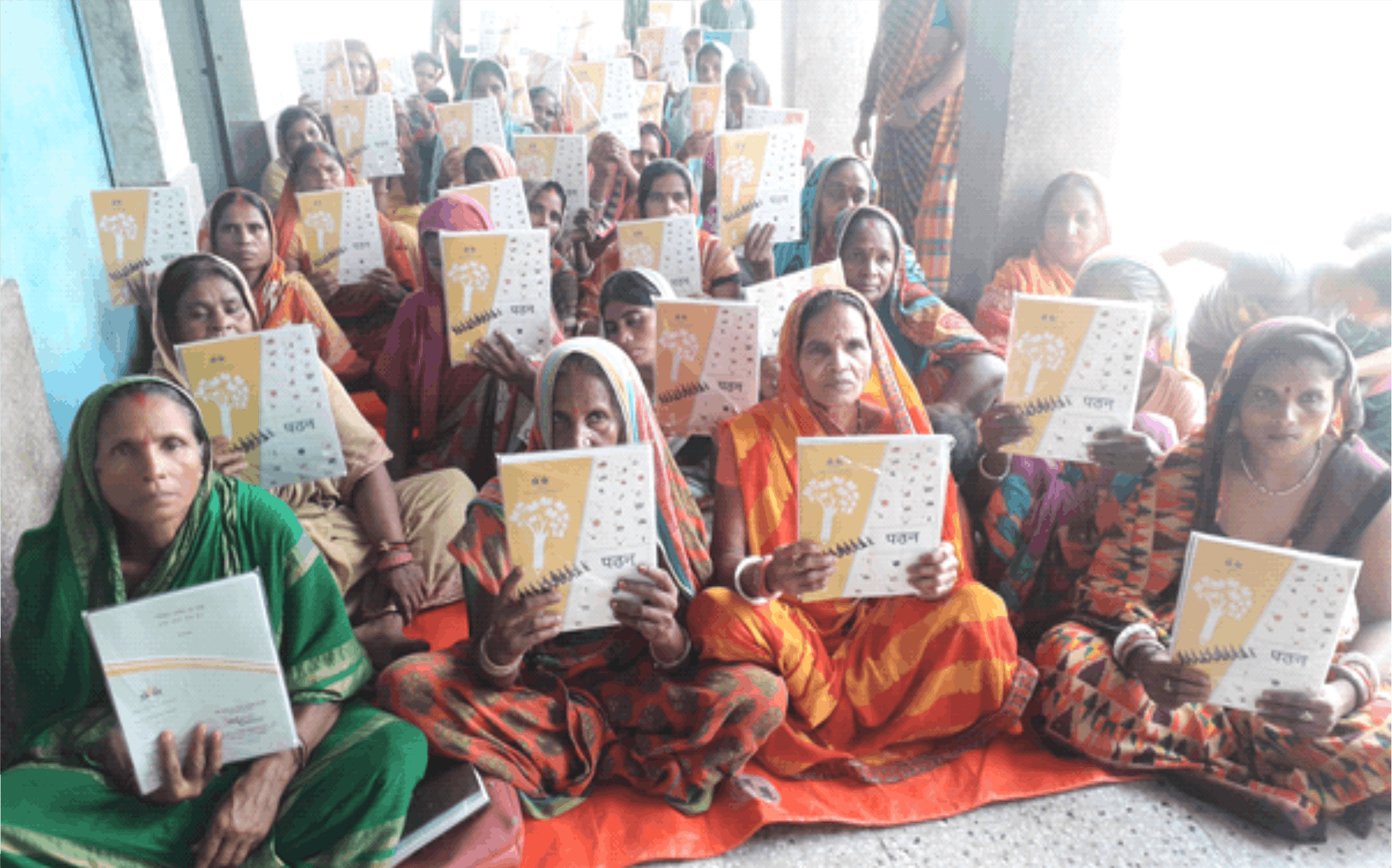
Muzaffarpur, Bihar
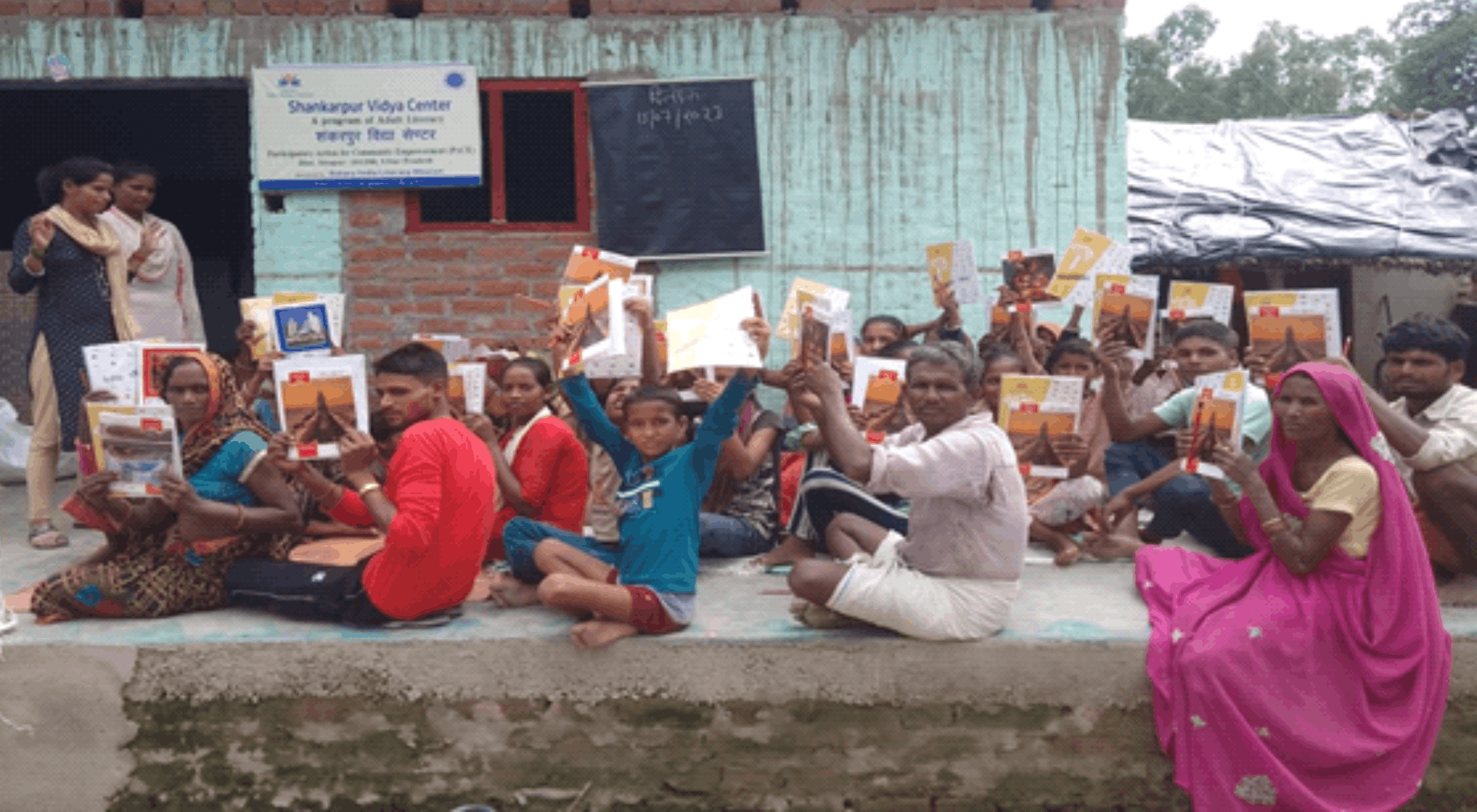
Shankarpur, Uttar Pradesh
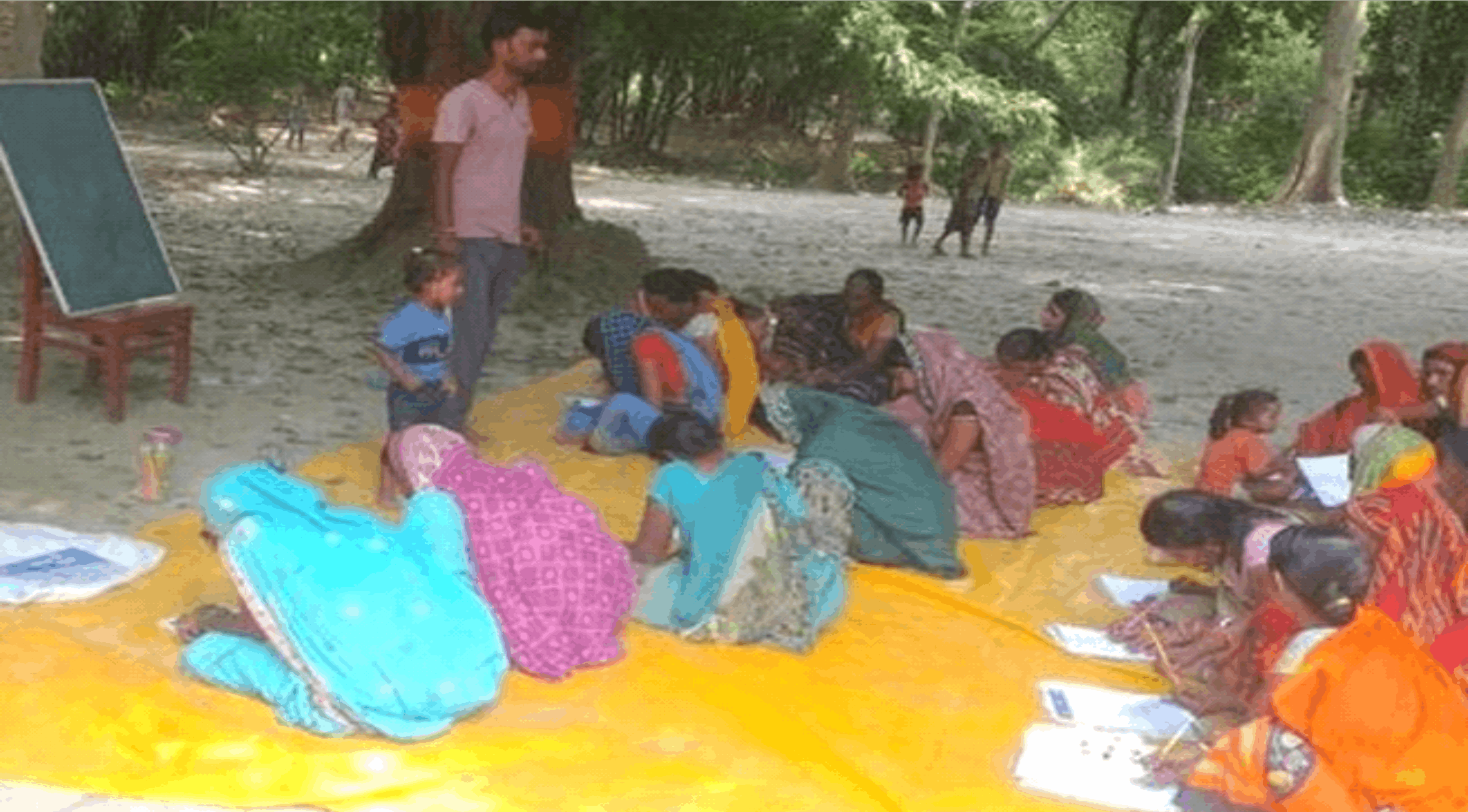
Solapur, Maharashtra
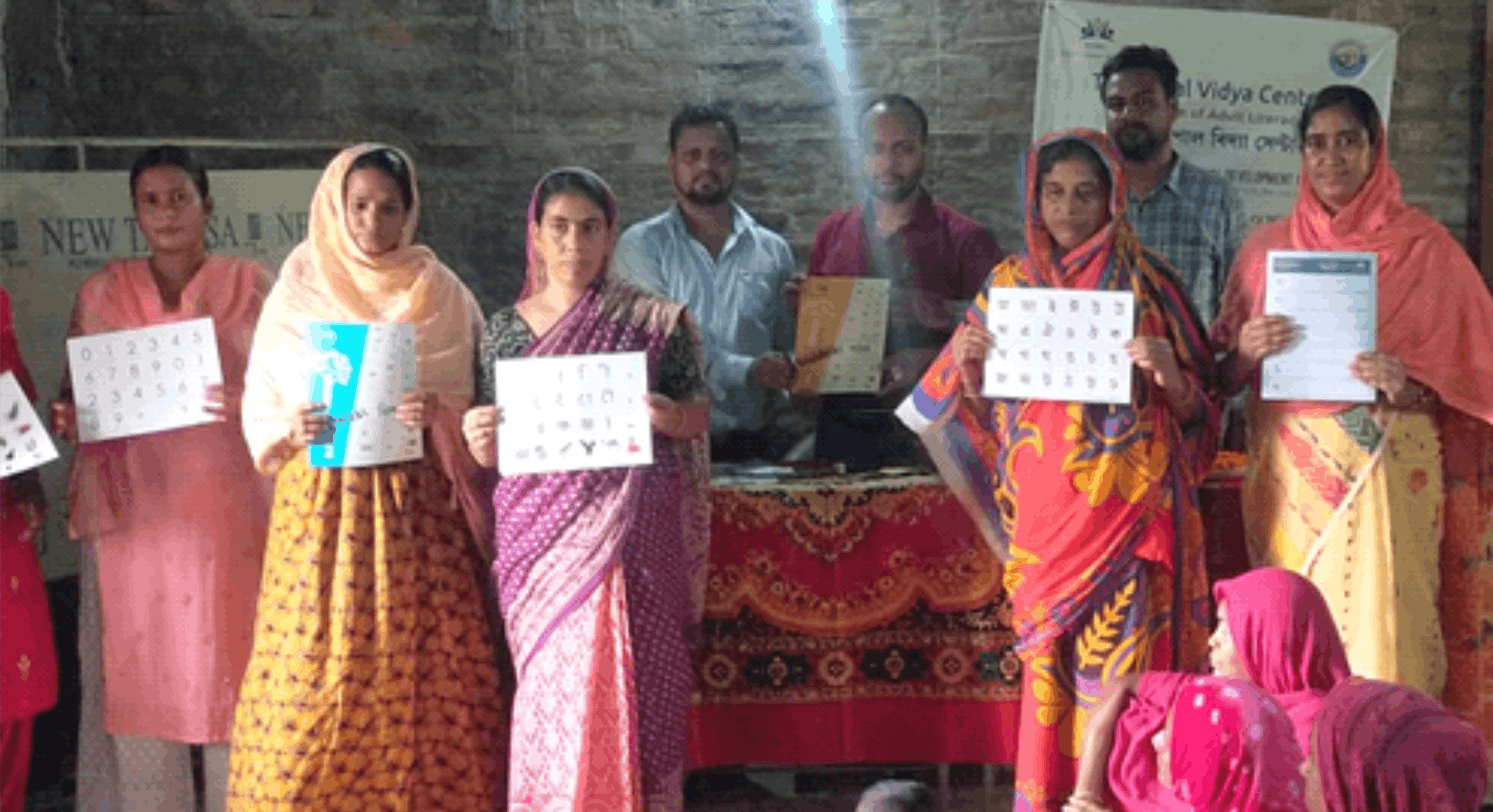
South 24 Parganas, West Bengal
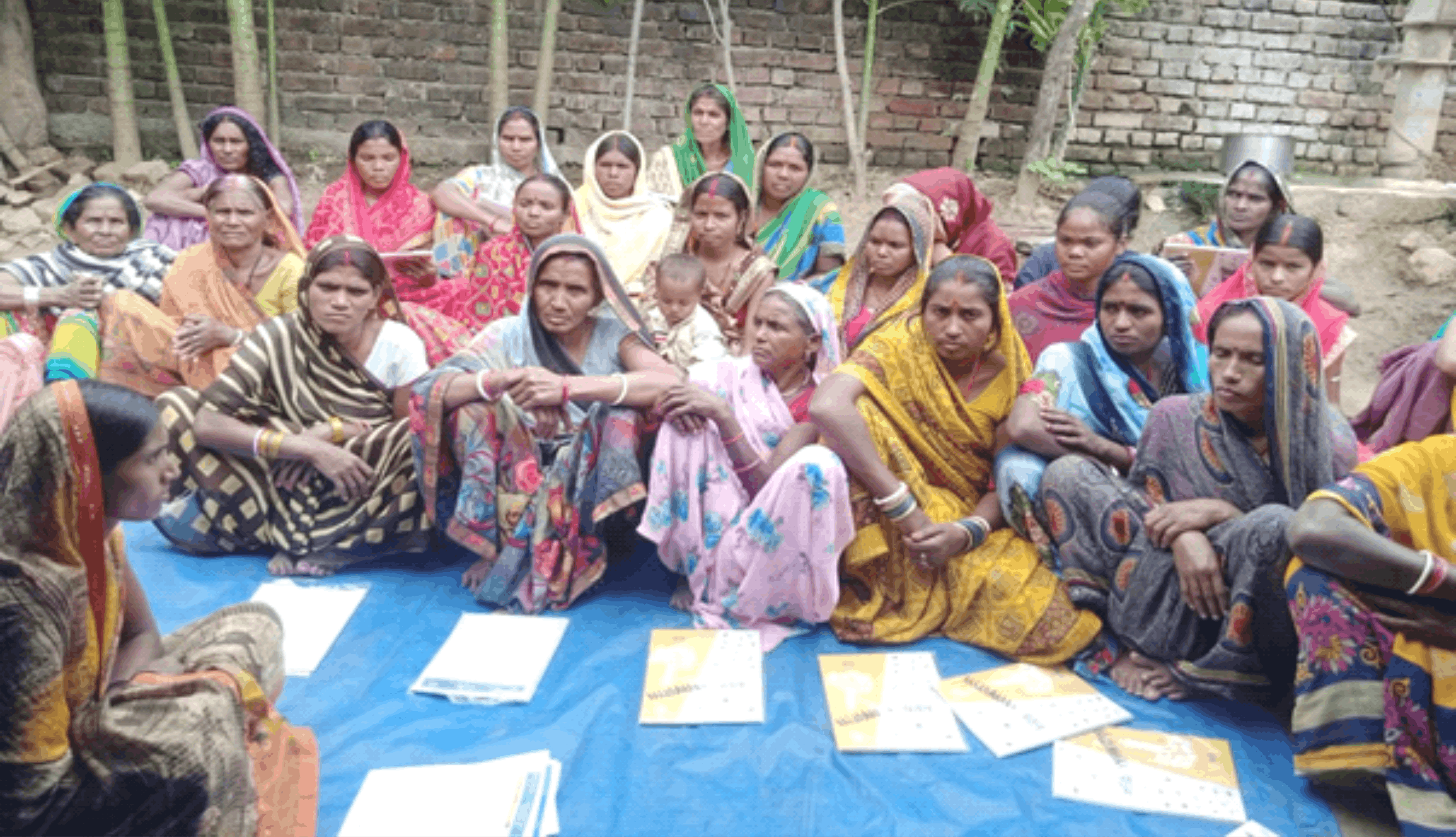
Yogidih, Jharkhand
Latest Updates
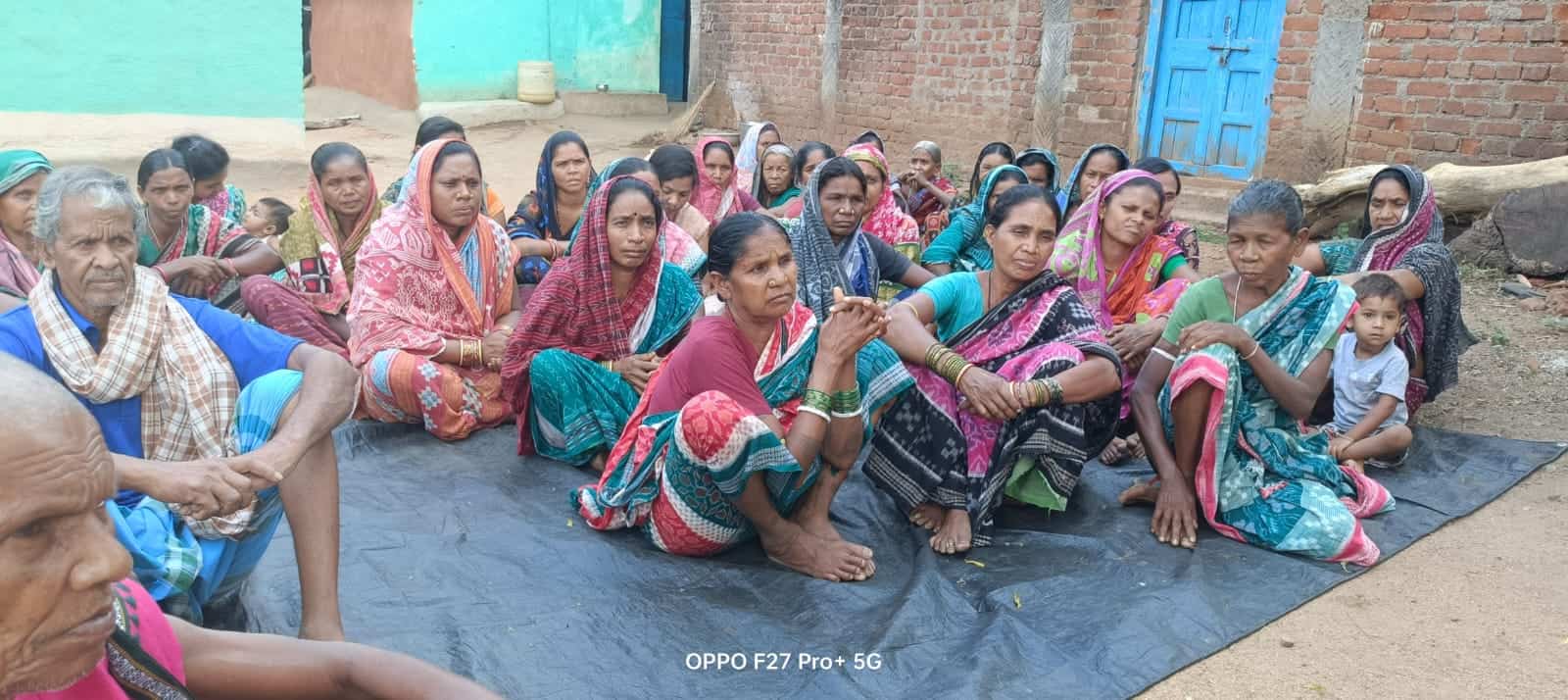
On a Simple Mat in Bhaunpur: What Adult Literacy Looks Like in Rural Odisha
India Humanity foundation WebsiteBhaunpur, Odisha — Where Learning Finds a WayIn the village of Bhaunpur, Odisha, beneath open skies and against...